
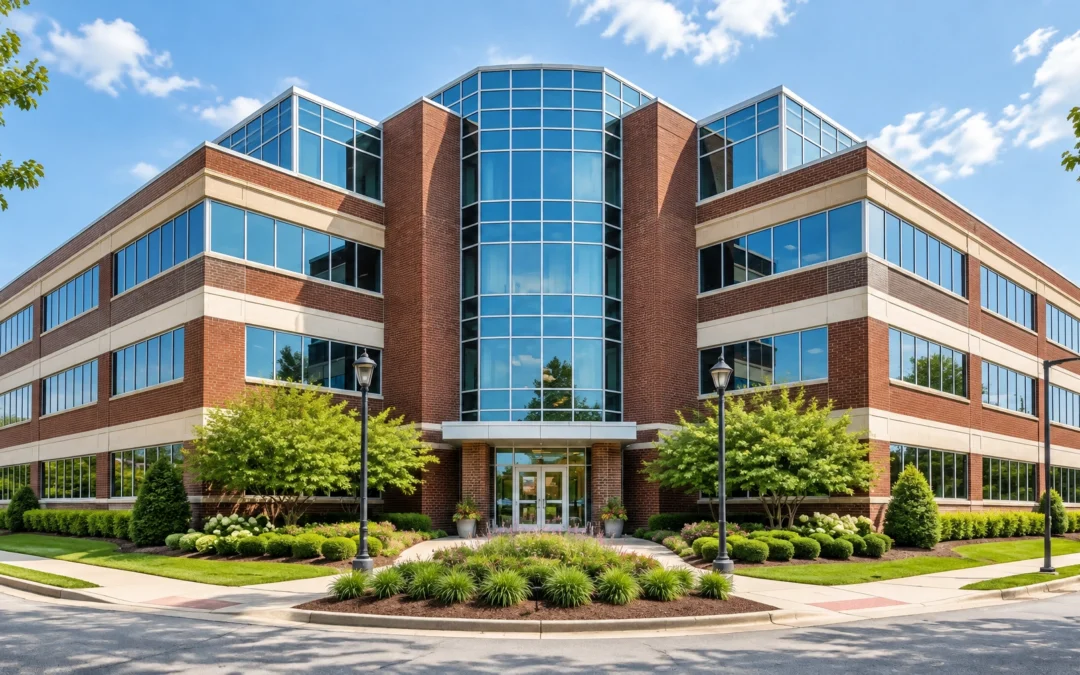
If you manage a commercial property in St. Louis, pest control is more than an occasional service call. A concern in one tenant’s space can become a building-wide issue, and an unclear agreement can leave you unsure who is responsible, what the next visit includes, or what records you’ll have if a tenant or inspector asks questions.
A good commercial pest control St. Louis service agreement should make those expectations clear before there’s a problem. It should spell out the service scope, response process, documentation, pricing, and responsibilities for both your pest professional and your property team.
That matters whether you’re reviewing a contract you inherited or comparing proposals for a new building. Here’s what to look for, and what to ask before you sign.
Why commercial pest control in St. Louis needs a different agreement
Commercial properties have different demands from individual homes. You may be coordinating across multiple tenants, managing shared walls and utility spaces, protecting inventory, or maintaining records for an inspection or audit. In food-adjacent businesses, treatment also needs to be coordinated with operations and applicable food-safety rules.
The agreement should reflect those realities. That means clearly identifying which properties and areas are covered, who can authorize service, how tenant reports are handled, and what documentation you’ll receive. Without those details, even a routine pest concern can turn into a scheduling or communication problem.
A written plan helps because:
- Responsibilities are easier to assign. Your team and the service provider can see who handles treatment, tenant access, repairs, sanitation, and follow-up.
- Recurring concerns are easier to track. Consistent reports help you distinguish a one-time sighting from a repeated pattern.
- You can respond with better information. Records provide useful context when a tenant, business operator, auditor, or regulator raises a question.
Commercial pest management should be specific to the property, not a residential plan copied onto a larger building.
What a commercial pest control service agreement should include
1. A clear scope of services
The agreement should identify the properties, buildings, and areas covered. It should also list the pests included in routine service and those that require a separate service or quote.
Check whether the scope includes:
- Common areas, tenant spaces, storage rooms, basements, mechanical areas, and loading docks
- Exterior doors, refuse areas, landscaped edges, and other relevant perimeter locations
- Routine monitoring, inspections, targeted treatment, and follow-up visits
- Multi-unit or multi-site coordination, if you manage more than one property
- Pest-specific services such as bed bug, rodent, termite, or wildlife work
Also ask what is excluded. Structural repairs, sanitation work, plumbing corrections, exclusion materials, and extensive cleanouts may not be included in a routine program. You should know that before a technician identifies a condition that needs attention.
2. A service frequency that fits the property
The contract should state whether visits are weekly, biweekly, monthly, or scheduled on another basis. Frequency should reflect your building’s uses, pest history, access needs, and activity, not simply a calendar default.
For example, a restaurant, warehouse, and office building can have different risk areas and operating schedules. The provider should explain what happens during a scheduled visit: which areas are inspected, how monitoring devices are checked, and how service frequency may change if activity increases or declines.
A useful schedule gives you predictability. It also gives you a basis for asking whether the program is responding to what the reports show.
3. Defined emergency and after-hours response
“Emergency service available” is not a response-time commitment by itself. Ask the provider to define what counts as an emergency and what response you can expect.
Your agreement should clarify:
- How your team reports an urgent issue, including after hours
- How quickly the provider will acknowledge the request
- The target timeframe for an on-site response
- Who can authorize additional work or charges
- How the provider will document the visit and recommended next steps
A rodent sighting near food storage, a tenant report involving bed bugs, or pest activity in a high-traffic area may require a faster response than a routine service request. Agreeing on the escalation process in advance prevents confusion when time matters.
4. Useful reports and records
A service ticket that only says “treated” doesn’t tell you what was inspected, what was found, or what remains to be done. Ask for a report after each visit, with enough detail for your team to make decisions and follow up.
Useful reports can include:
- Service date, time, technician, and property or unit
- Areas inspected and pest activity observed
- Monitoring results, including where activity was found
- Work performed and any products used
- Photos when they help document a condition
- Recommended repairs, sanitation changes, or other corrective actions
- Follow-up needs, unresolved items, and the person responsible
For pesticide records, Missouri requires certified commercial applicators or their employers to document pesticide use within three business days and retain those records for three years. The state’s commercial applicator recordkeeping regulation lists information those records must contain. Ask how and when your property team will receive the relevant documentation.
You may also want regular trend reports. They can help you see whether activity is recurring in the same unit, dock, dumpster area, or building section, and whether recommended repairs have been completed.

5. An inspection-led, IPM-first treatment approach
Integrated Pest Management (IPM) means identifying and monitoring pest activity, addressing conditions that attract or admit pests, and choosing appropriate controls based on the findings. It does not mean “never use pesticides.” It means the treatment should be considered as part of a plan, rather than applied automatically without inspection.
The U.S. Environmental Protection Agency describes IPM as a practical, environmentally sensitive approach that combines monitoring, prevention, and suitable control methods. Its IPM principles emphasize choosing controls based on accurate identification and need.
For your agreement, look for language that supports:
- Inspection and identification before treatment decisions.
- Prevention recommendations for entry points, moisture, food sources, waste, and harborage.
- Targeted control when monitoring and conditions indicate it is appropriate.
- Follow-up to check whether the approach is working.
This is more useful than a vague promise to “spray the property.” The FDA Food Code is a model offered for adoption by jurisdictions; food businesses should confirm the rules that apply locally. For restaurants and food-service spaces, coordinate pest work with the person in charge and ask how the provider will help protect food, food-contact surfaces, utensils, and packaging.
6. Pricing, exclusions, and additional fees
The agreement should make routine costs easy to understand. It should also show which circumstances may result in additional charges.
Ask about fees for:
- Emergency or after-hours calls
- Treatments for pests excluded from the routine scope
- Additional visits between scheduled services
- Specialized work, such as bed bug or termite service
- Exclusion or repair work
- Missed appointments or inaccessible units, if applicable
The point isn’t to avoid every additional charge. It’s to make sure you know what triggers one, who approves it, and how it will be documented.
7. Insurance, responsibilities, and safety procedures
Ask the provider for current proof of appropriate insurance and confirm that the agreement addresses safe, label-compliant work. Your organization may have insurance, vendor credentialing, or incident-reporting requirements of its own.
The agreement should also state what your team needs to do before or after service. Depending on the setting and treatment, that may include arranging access, communicating with occupants, protecting or moving materials, or following specified re-entry instructions.
Pest service does not replace building maintenance. If reports identify a gap beneath a door, a leak, a damaged screen, or waste-management concerns, assign someone to address it and record completion. Your contract should make clear which corrective tasks belong to the provider and which belong to the property owner, manager, or tenant.
8. Contract length, renewal, and exit terms
Review the full term, not just the monthly price. Look for:
- Initial contract length and notice required to cancel
- Automatic-renewal language and the deadline to opt out
- How and when prices can increase
- Whether a price change requires advance written notice
- How service records are transferred if the agreement ends
- Whether there are termination fees or outstanding work charges
A renewal clause shouldn’t surprise you. Put key dates on your calendar and ask for any escalation method, such as a fixed annual increase or written quote, in plain language.
Red flags to spot before you sign
Pause and ask for clarification if a proposal includes:
- Vague scope: It doesn’t name covered pests, areas, properties, or exclusions.
- No reporting: You receive no meaningful visit notes or follow-up documentation.
- Routine blanket spraying: Treatment appears automatic, without an inspection or explanation.
- Unclear accountability: You don’t know who services the site or who handles escalations.
- Unbounded extra fees: Charges can be added without defined triggers or approval.
- One-size-fits-all scheduling: The same frequency is proposed for every property, regardless of use or activity.
- Aggressive renewal terms: The contract renews automatically with unclear or substantial price changes.
- No prevention plan: There is no process for identifying entry points or conditions that contribute to activity.

Questions to ask before choosing commercial pest control in St. Louis
Use these questions when you review a proposal with your team:
- Who will service the property, and who is my account contact?
- What response time applies to routine calls versus emergencies?
- How are tenant complaints received, documented, and routed back to management?
- What report will I receive after each visit, and can you show me a sample?
- What records can you provide for an inspection, audit, or internal review?
- How do you handle recurring activity across shared walls or multiple units?
- Which pests, areas, and follow-up visits are included in the quoted price?
- What work might cost extra, and will you get approval before proceeding?
- How do you decide when to treat, and what prevention steps do you recommend?
- What are the cancellation, renewal, and price-adjustment terms?
Asking the same questions of each bidder makes proposals easier to compare. It also helps you assess whether the service plan fits your actual property, not just the price on the first page.
Special considerations by property type
Apartments and condominiums
A pest issue can cross unit boundaries, so your agreement should account for shared walls, utility lines, common areas, and access coordination. Clarify how tenant notices and preparation instructions are handled, how access is documented, and how management receives reports while respecting tenant privacy.
A single unit treatment may not resolve a building-wide pattern. Ask how the provider will document related findings and recommend coordinated inspection or follow-up where appropriate.
Office buildings and retail properties
Service needs may involve break rooms, restrooms, storage areas, delivery entrances, and customer-facing spaces. Discuss discreet scheduling, employee or tenant communication, access credentials, and procedures for reporting activity outside regular visits.
Restaurants and food service
Food-related facilities need careful coordination around operating hours, food storage, prep areas, and cleaning schedules. Confirm how service and records will support your food-safety program, and verify requirements with the relevant local authority. The FDA Food Code is a model, not automatically the governing code in every jurisdiction.
Warehouses and industrial properties
Large floor areas, docks, stored goods, and frequent deliveries can create distinct monitoring and access needs. Make sure the service scope covers the areas where activity may occur, not only offices or front entrances. Define how findings are reported and who handles corrective work such as door seals, waste controls, or storage adjustments.
What to expect from STL Pest Control
STL Pest Control has served the Greater St. Louis area since 1989. The company describes its commercial program as inspection-led, focused on targeted treatments, prevention guidance, monitoring, and service documentation. Its team includes 14 licensed, trained professionals, with a family-operated approach intended to provide the capacity to handle a range of issues and personal service for local clients.
For property managers, STL Pest Control’s commercial pest-control services cover businesses and managed properties, with service options tailored to the building, industry, and schedule. The company also describes property-management services that include scheduling coordination and reporting for management records. Same-day and emergency service is available; when you discuss an agreement, ask how response expectations will be documented for your specific property.
Frequently asked questions
How much does commercial pest control cost in St. Louis?
The cost depends on factors such as property size, pest pressures, service frequency, access needs, and which services are included. Request a written quote that identifies routine work, exclusions, and potential additional fees so you can compare proposals on equal terms.
How often should a commercial property be serviced?
There is no single schedule that fits every property. Frequency depends on the building’s use, history of pest activity, risk areas, and monitoring results. Ask the provider to explain the proposed schedule and how it may change as conditions change.
What should be in a pest control service agreement?
At minimum, look for a defined scope, covered pests and areas, service frequency, emergency response terms, reporting requirements, treatment approach, fees and exclusions, insurance expectations, safety procedures, and clear cancellation and renewal language.
Can a landlord be liable for pest infestations?
Responsibility can depend on the property type, lease language, local requirements, the condition involved, and how the parties respond after receiving notice. A pest-control contract does not automatically settle every legal responsibility. Keep clear records, respond promptly to reported conditions, and consult qualified legal counsel about your specific obligations.
Get clear expectations and a plan for your properties
You shouldn’t have to guess what a pest-control contract covers, or what happens when a tenant reports a concern. A clear agreement gives you a practical way to coordinate service, address contributing conditions, and keep useful records.
For a consultation about commercial pest control in the St. Louis area, call 314-833-6222 or visit STL Pest Control’s commercial pest-control page.