
Why Springtails Show Up in Homes
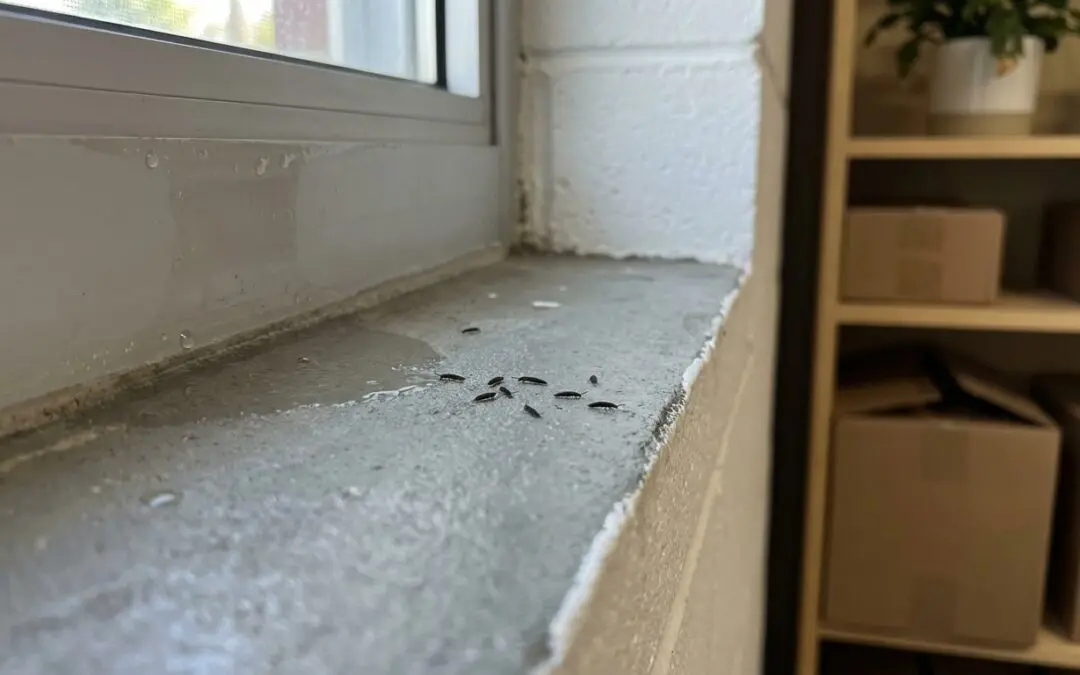
Springtails are small insects that commonly appear indoors when moisture levels rise. In areas like St. Louis, seasonal rainfall, humidity, and saturated soil can create conditions that push moisture-loving pests closer to homes.
While noticing springtails indoors can be frustrating, their presence usually points to environmental conditions rather than a serious structural issue. Effective management starts with understanding what attracts them and why surface-level solutions often fall short.
What Are Springtails?
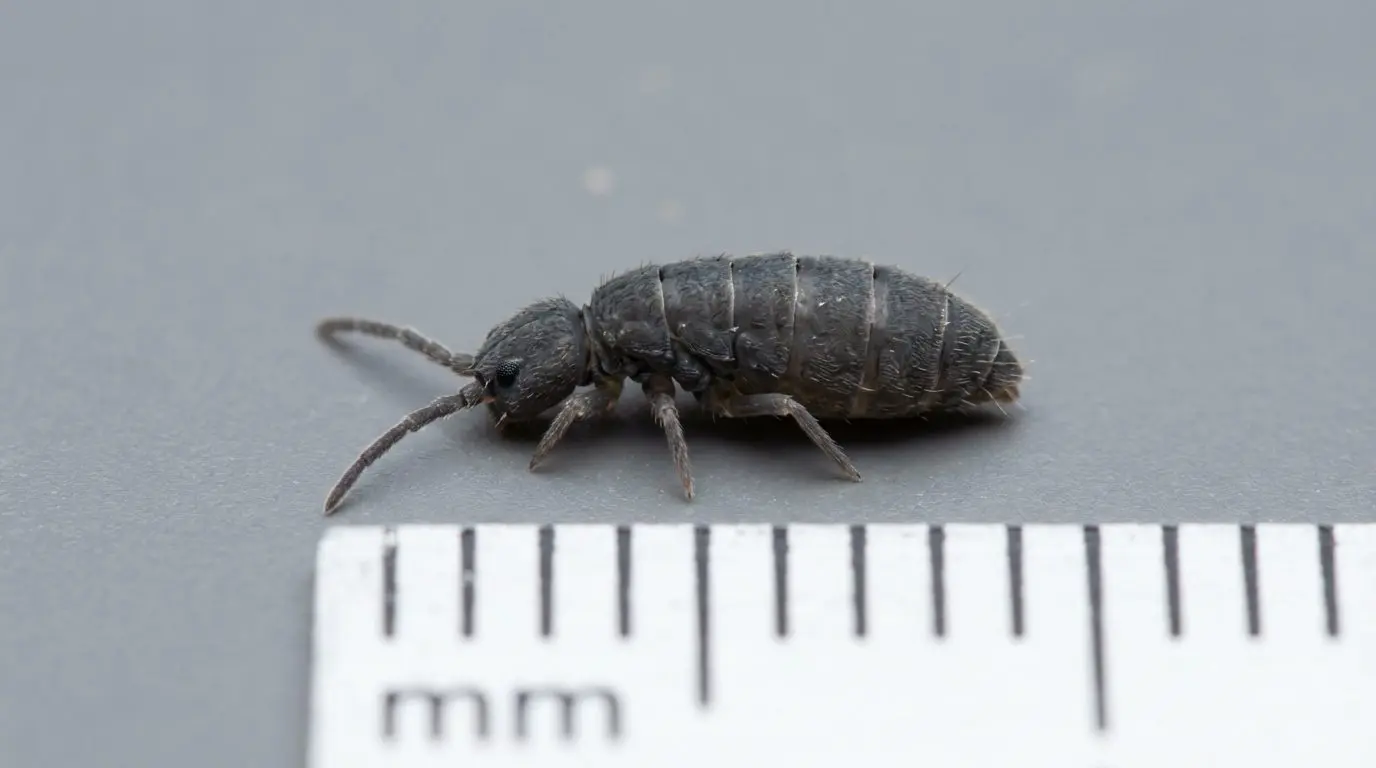
Springtails are tiny, wingless insects that thrive in damp environments. They’re often found near basements, bathrooms, crawl spaces, window sills, and other areas where moisture is present.
Because of their size, springtails are sometimes mistaken for fleas or other small insects. Proper identification is important, since treatment approaches vary by pest. While springtails don’t bite or damage structures, they can become a nuisance when conditions allow their numbers to increase.
Why Springtail Activity Happens Indoors
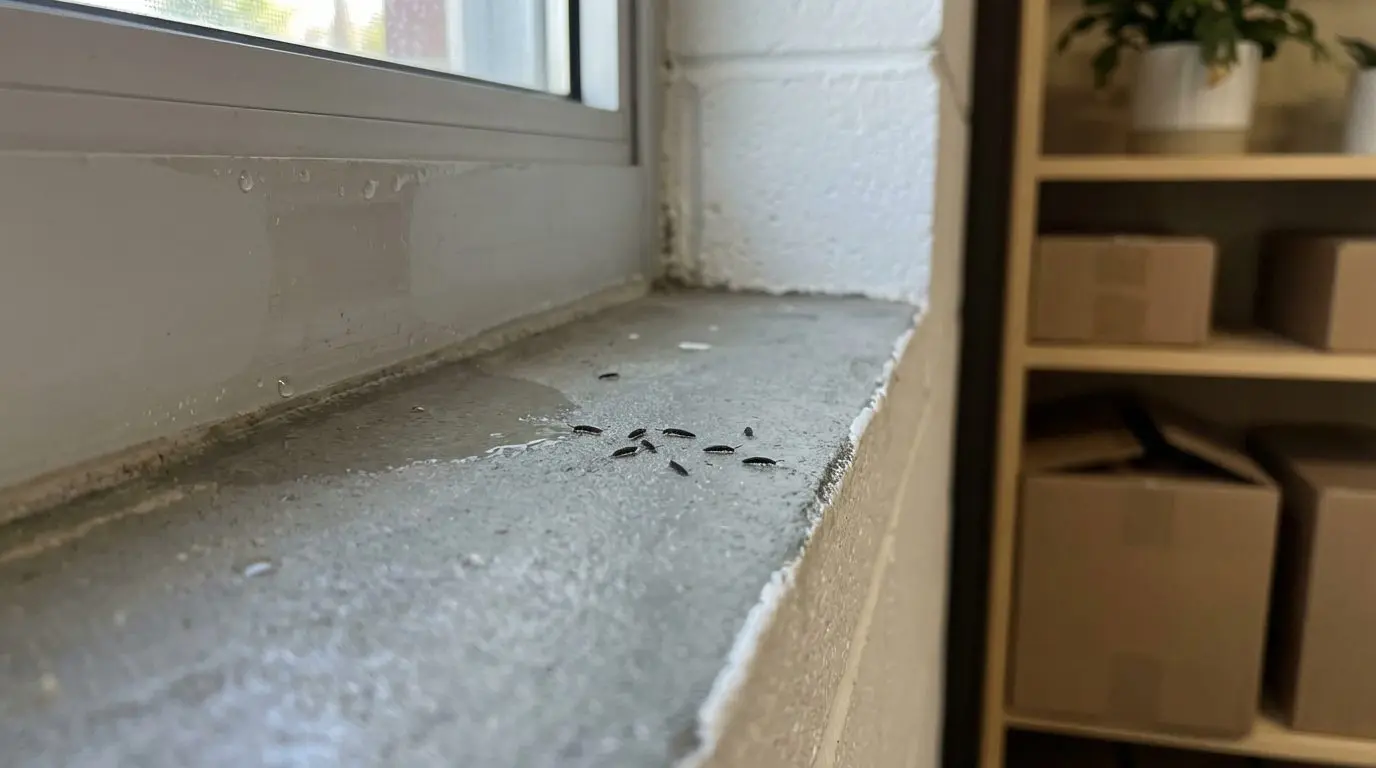
Moisture is the primary driver of springtail activity. Outdoors, springtails live in soil, mulch, and decaying organic matter. When these environments become overly wet—or when a home offers easier access to moisture—they may migrate indoors.
Common contributors include:
-
Heavy or prolonged rainfall
-
Poor drainage around foundations
-
High indoor humidity
-
Basements or crawl spaces that retain moisture
In many cases, springtail activity is seasonal and closely tied to weather patterns rather than indoor cleanliness or housekeeping.
Why DIY Treatments Often Fall Short
Many homeowners start with store-bought sprays or general insect treatments. While these products may reduce visible springtails temporarily, they rarely address the underlying conditions that attract them.
Without managing moisture sources and entry areas, springtail activity often returns. Repeated surface treatments can lead to frustration without delivering long-term improvement.
How Targeted Pest Control Helps Manage Springtails
Targeted pest control focuses on understanding why springtails are present and addressing contributing factors alongside treatment.
A professional approach typically includes:
-
Accurate pest identification
-
Inspection of moisture-prone areas
-
Identification of likely entry points
-
Targeted treatments where activity is occurring
-
Guidance on moisture-related conditions that may support ongoing activity
Rather than relying on repeated broad applications, this method emphasizes control, reduction, and prevention.
What Homeowners Can Do to Support Long-Term Control
Homeowners play an important role in reducing conditions that attract springtails. Helpful steps may include:
-
Using dehumidifiers in basements or crawl spaces
-
Improving airflow and ventilation in damp areas
-
Addressing visible condensation or standing moisture
-
Monitoring drainage near the home’s foundation
These efforts are most effective when paired with professional inspection and targeted treatment.
When to Call a Professional
It may be time to seek professional help if:
-
Springtail activity continues despite basic moisture control
-
Large numbers appear indoors
-
The pest is difficult to identify with certainty
-
You want a clear, structured plan rather than trial-and-error solutions
A professional inspection can provide clarity and help avoid unnecessary or ineffective treatments.
Managing Springtails in St. Louis Homes
Homes in the St. Louis area face unique moisture challenges due to seasonal rain, soil conditions, and a large number of older foundations and basements. Local experience matters when identifying contributing factors and selecting appropriate control strategies.
A prevention-focused, environmentally aware approach typically leads to better results and fewer repeat issues.
Calm, Practical Next Steps
Springtails are manageable when addressed correctly. By focusing on moisture awareness, proper identification, and targeted pest control, homeowners can reduce activity and improve indoor comfort.
If springtails continue to be a concern, a professional inspection can help determine practical next steps—without unnecessary treatments or unrealistic expectations.