
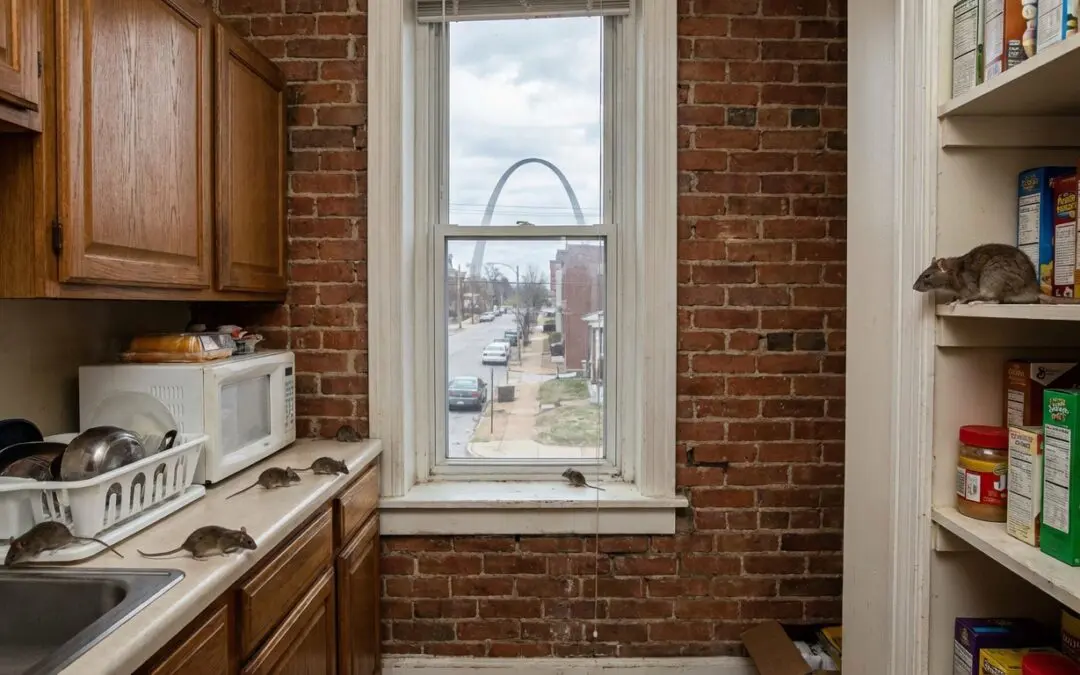
Have You Spotted a Rodent in Your Home? Here’s What St. Louis Homeowners Need to Know
Seeing a mouse or rat inside your home is more than just an unpleasant surprise — it can signal a larger issue that needs quick attention. At STL Pest Control, we’ve been helping St. Louis homeowners stay rodent-free since 1989, and every winter we see the same trend: once one rodent gets inside, more are usually not far behind.
Below is a breakdown of what the numbers really mean and what you can do to protect your home.
How Common Are Rodents in St. Louis Homes?
You’re not alone if you’ve spotted one.
-
More than 1 in 3 American homeowners (37%) have seen a rodent in their home within the past year.
-
Rodents are especially active in the fall and winter as they search for warmth, food, and shelter — making St. Louis homes a prime target.
Where Rodents Are Most Often Found
Among homeowners who reported rodent sightings, the top places rodents were spotted include:
-
Garage – 39%
Garages are easy entry points and provide plenty of hiding spots. -
Kitchen – 35%
Rodents go where the food is — crumbs, pet bowls, and pantries attract them quickly. -
Basement – 27%
Basements offer warmth, clutter, and quiet — the perfect nesting conditions.
If you’re seeing signs in any of these rooms, it’s time to take action.
What Homeowners Fear Most
Rodents aren’t just creepy — they carry risks.
-
Nearly 1 in 5 homeowners say their biggest concern is disease.
-
46% of homeowners worry that if they see one rodent, there are more hiding somewhere else — and that concern is absolutely valid.
A single mouse can leave over 3,000 droplets of urine in a week, contaminate food, chew wiring, and damage insulation. And they reproduce fast…
How Fast Rodents Multiply
This fact shocks most people:
Mice can produce up to 12 babies every three weeks.
That means one mouse can turn into dozens in just a month or two. If you see one, chances are there are others inside walls, cabinets, or storage areas.
Health Risks Associated With Rodents
Rodents can transmit several serious diseases, including:
-
Hantavirus
-
Salmonella
-
Tularemia
-
Rat-bite fever
-
Leptospirosis
-
Lymphocytic choriomeningitis
-
Allergies and asthma triggers from droppings and dander
This is why quick and professional treatment matters.
What St. Louis Homeowners Should Do
Here are some steps you can take immediately:
-
Seal food in airtight containers
-
Clean up crumbs under appliances
-
Store birdseed and pet food in metal bins
-
Inspect for gaps around doors, siding, pipes, and your garage
-
Keep clutter off floors in garages and basements
But if you see droppings, hear scratching, or smell something unusual, it’s time to call a professional.
STL Pest Control Can Help — Fast
As a trusted St. Louis pest control company since 1989, we know how to eliminate rodent problems quickly and safely. Our inspections are thorough, our pricing is fair, and we don’t scare homeowners into services they don’t need.
We’ll:
-
Identify how rodents are getting in
-
Remove existing rodents
-
Seal entry points
-
Put long-term protection in place
Because when it comes to rodents, you shouldn’t have to wait — and you shouldn’t have to worry.
📞 Call us today at (314) 833-6222
🌐 Visit: stlpestcontrol.com
STL Pest Control — Protecting St. Louis homes for over 35 years.